Guides to AI and human judgment
Start with a question. Each guide explains its source boundary and links to a book sample.
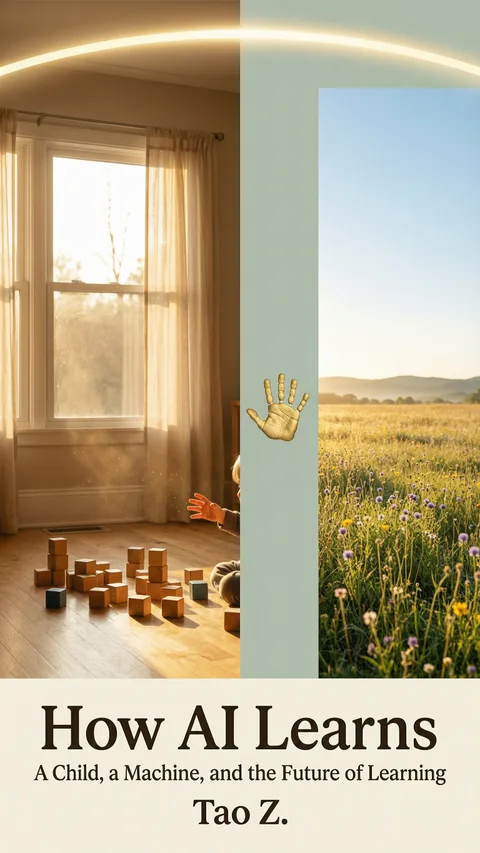
READING GUIDE
Books about how AI thinks: match the book to your goal
A reader's guide to books about how AI thinks, organized by the question you have: how machines learn, why reasoning fails, what it means for human judgment.
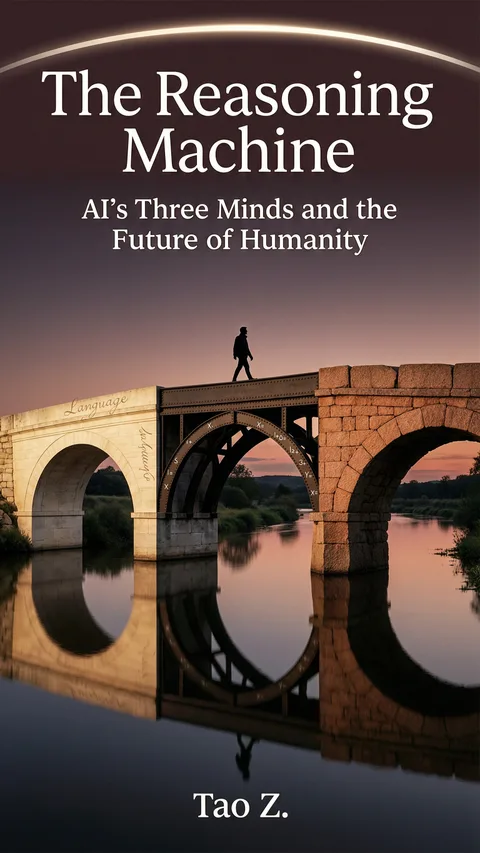
READING GUIDE
How to evaluate AI reasoning for your own task
Define task-specific acceptance tests for AI reasoning. Explore three conceptual lenses, failure records and a sample from The Reasoning Machine.
READING GUIDE
How to verify AI output before you rely on it
A practical way to verify AI output: sort the task by type, check the load-bearing claim, and watch for instability when you rephrase the question.

READING GUIDE
Human and AI intelligence: what should you compare?
Compare human and AI intelligence through tasks, evidence and responsibility. Use a practical worksheet and explore a sample from Your Brain and AI.
READING GUIDE
Human vs machine learning: a reader’s guide
Read comparisons of child development and model training carefully: separate narrative analogies from mechanisms, evidence and educational claims.
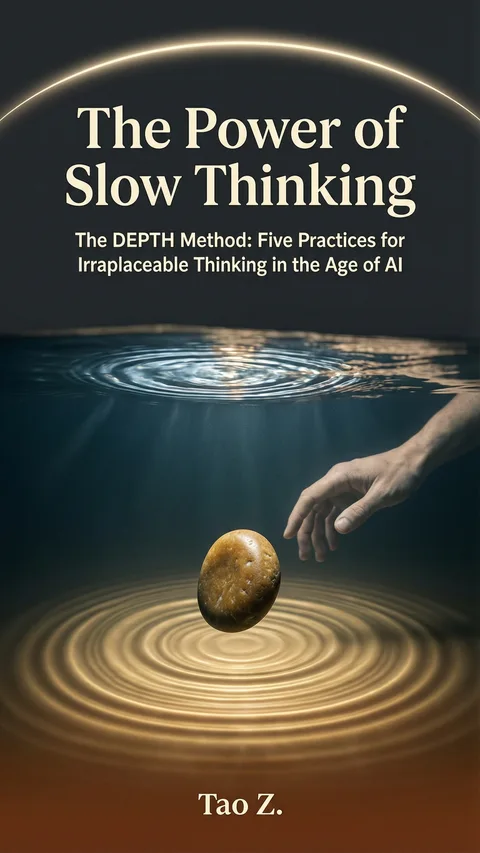
READING GUIDE
Keep human judgment in an AI-assisted workflow
Design review points before consequential action. Try an editorial workflow and explore the scope and limitations of the DEPTH book.
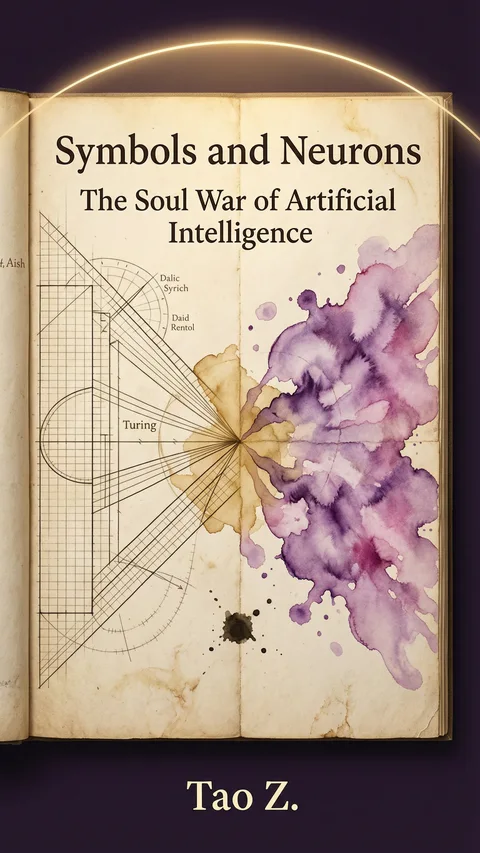
READING GUIDE
Symbolic vs neural AI: choosing what to read
Choose between a historical introduction and engineering guidance on symbolic and neural AI. Explore the scope and sample of Symbols and Neurons.
READING GUIDE
What is human-in-the-loop AI, and when is it theater?
Human-in-the-loop AI puts a human decision point inside an automated process, with authority to stop it. Where it earns its cost, and where it is theater.
READING GUIDE
What to delegate to AI, and what to keep for yourself
A decision framework for delegating to AI: check verifiability, error cost, and whether the task is the point. Some work is worth doing slowly yourself.